

About GCrafter
Hey, I’m Andy 👋
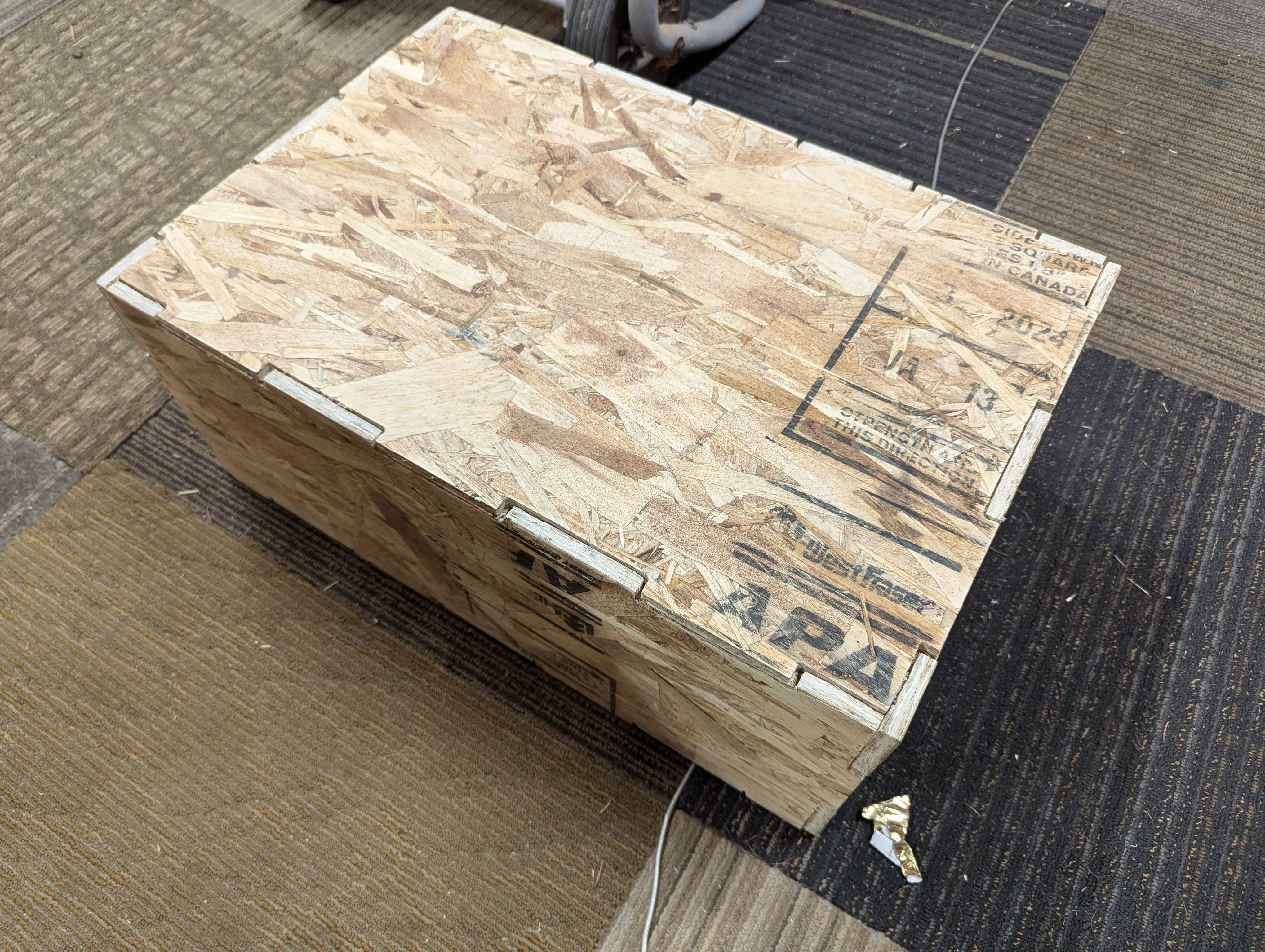
I got a 4×8 CNC and almost quit. Building the frame, calibrating endlessly, running tiny test cuts… two months of frustration and I still couldn’t get it dialed in. One of the first real projects was a simple box in OSB. Like everyone else, I Googled “CNC box maker,” grabbed something from MakerCase / boxes.py / Inkscape plugins / Easel, dropped the design into Easel, spat out G-code, and hit go.
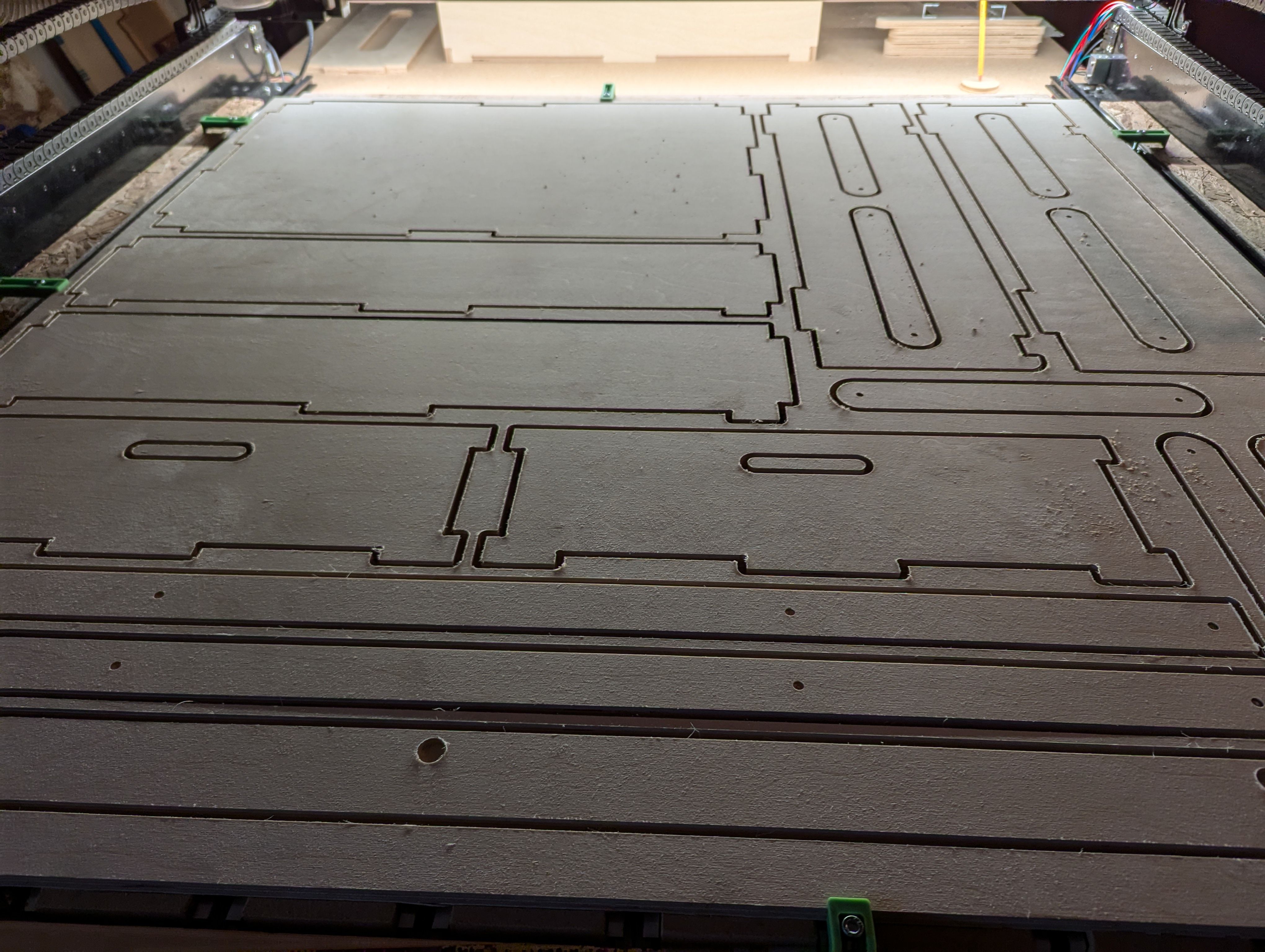
That machine cut maybe 10 inches a minute and plunged at an inch a minute. Two big boxes = twelve parts on a full sheet of OSB. Five long, screaming, dust-filled hours in the garage with ear protection and the world’s loudest shop vac. I ended up with one complete box and half of a second before the machine went full whack-job. Lesson learned: keep going.
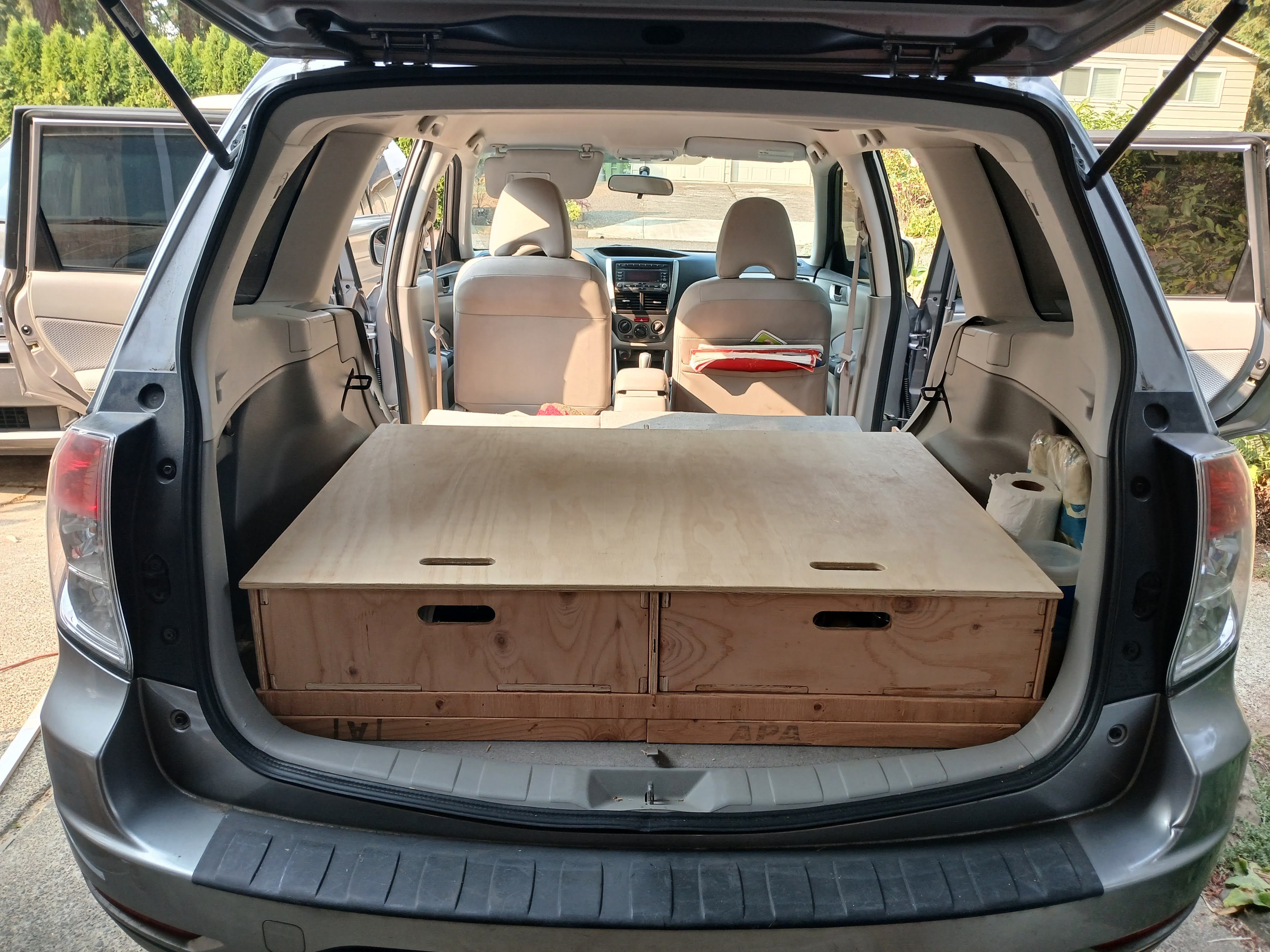
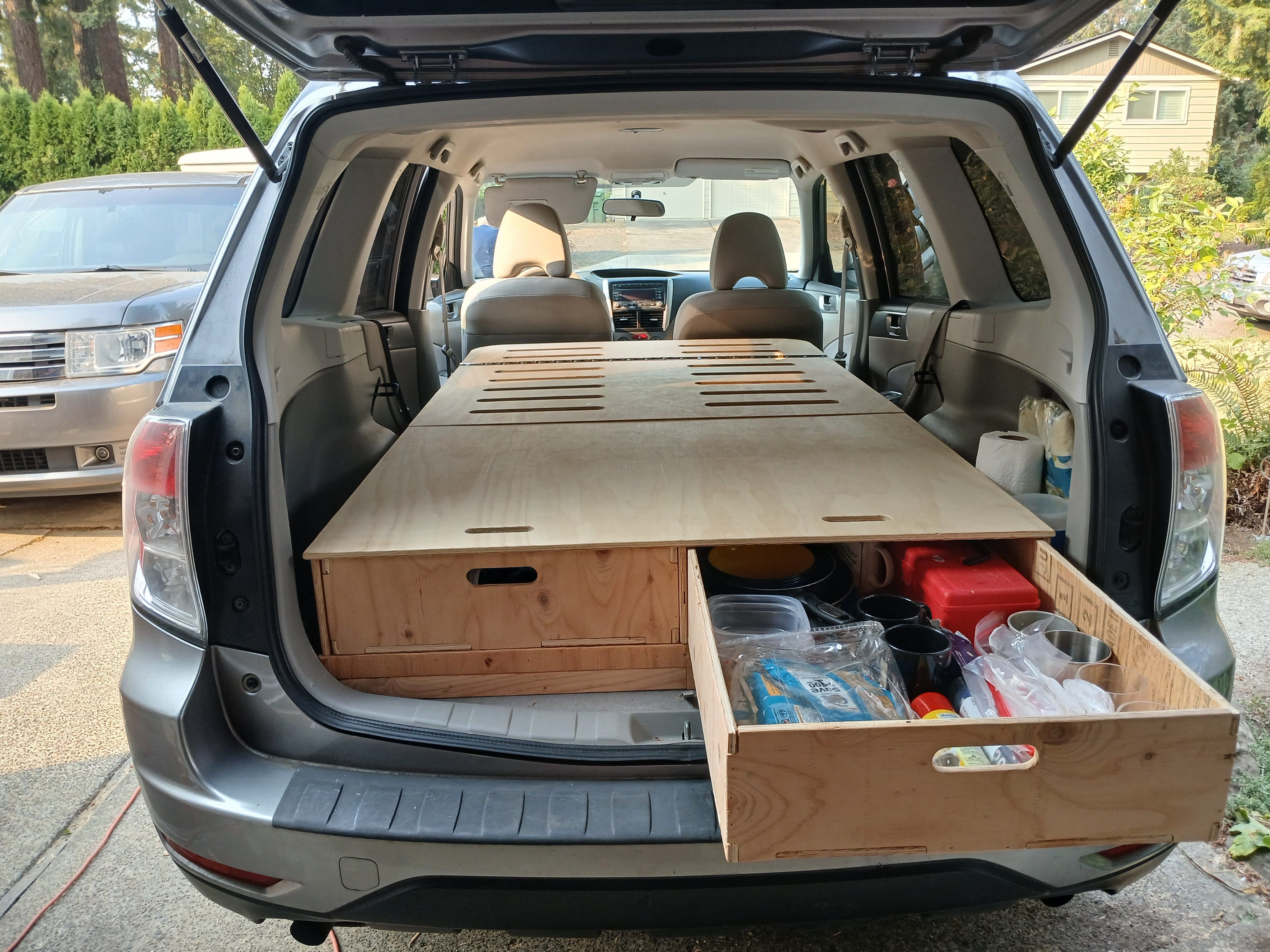
Next up: a full camping system for a friend’s Subaru Forester. Six boxes, drawers, platforms, headrest supports—the works. Box generators could do the drawers, but nothing else. So I opened CAD and started designing. Finger joints in traditional CAD are a special kind of hell. Change one dimension and you’re back to square one—extrude, rotate, align, check fit, fail, repeat. A week later I had 400+ hand-added dogbone fillets and a full layout. Three days of cutting later the machine destroyed the last drawer and took three other parts with it. But we moved on. That first system was just a prototype. I learned a ton.
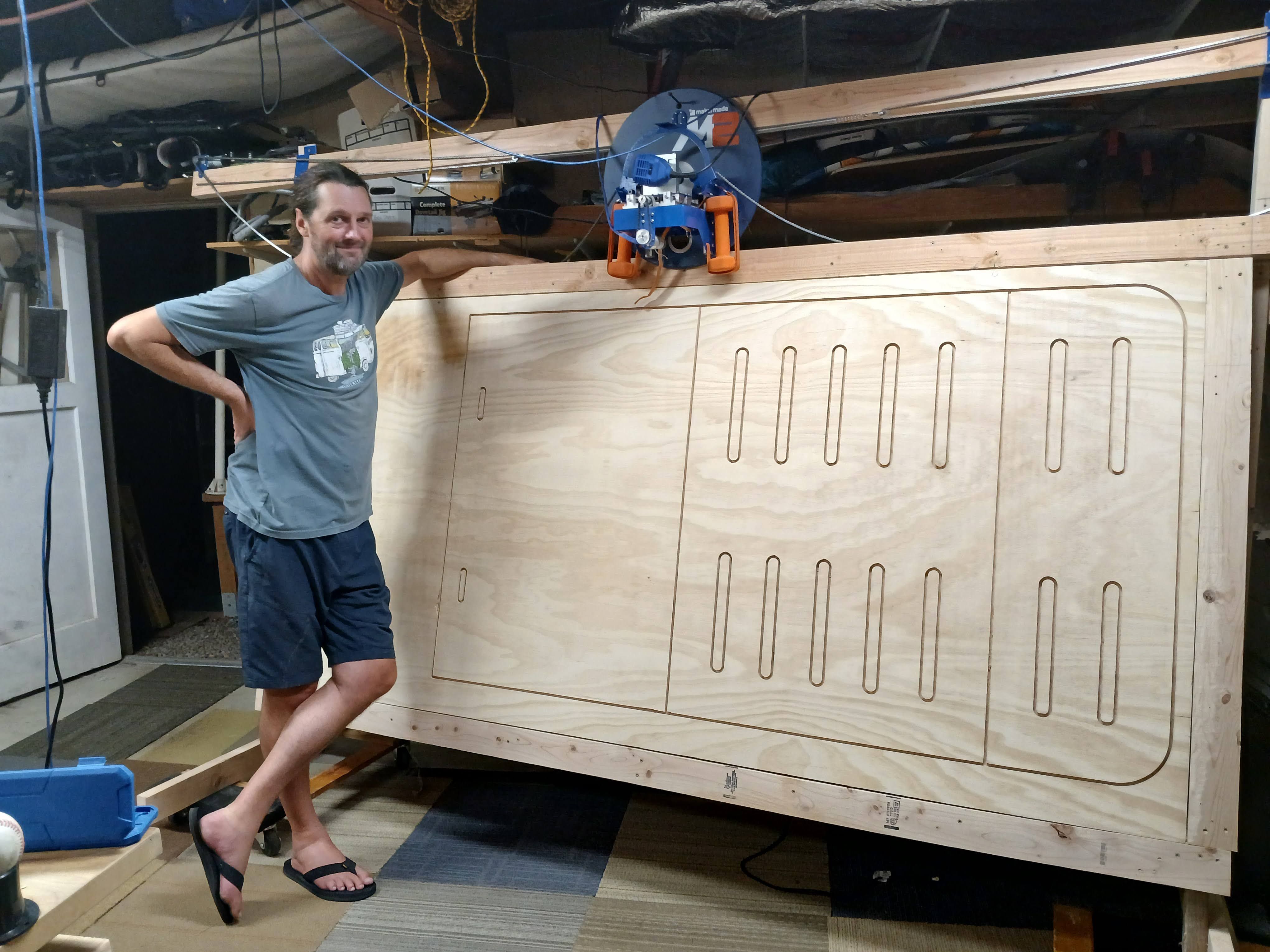
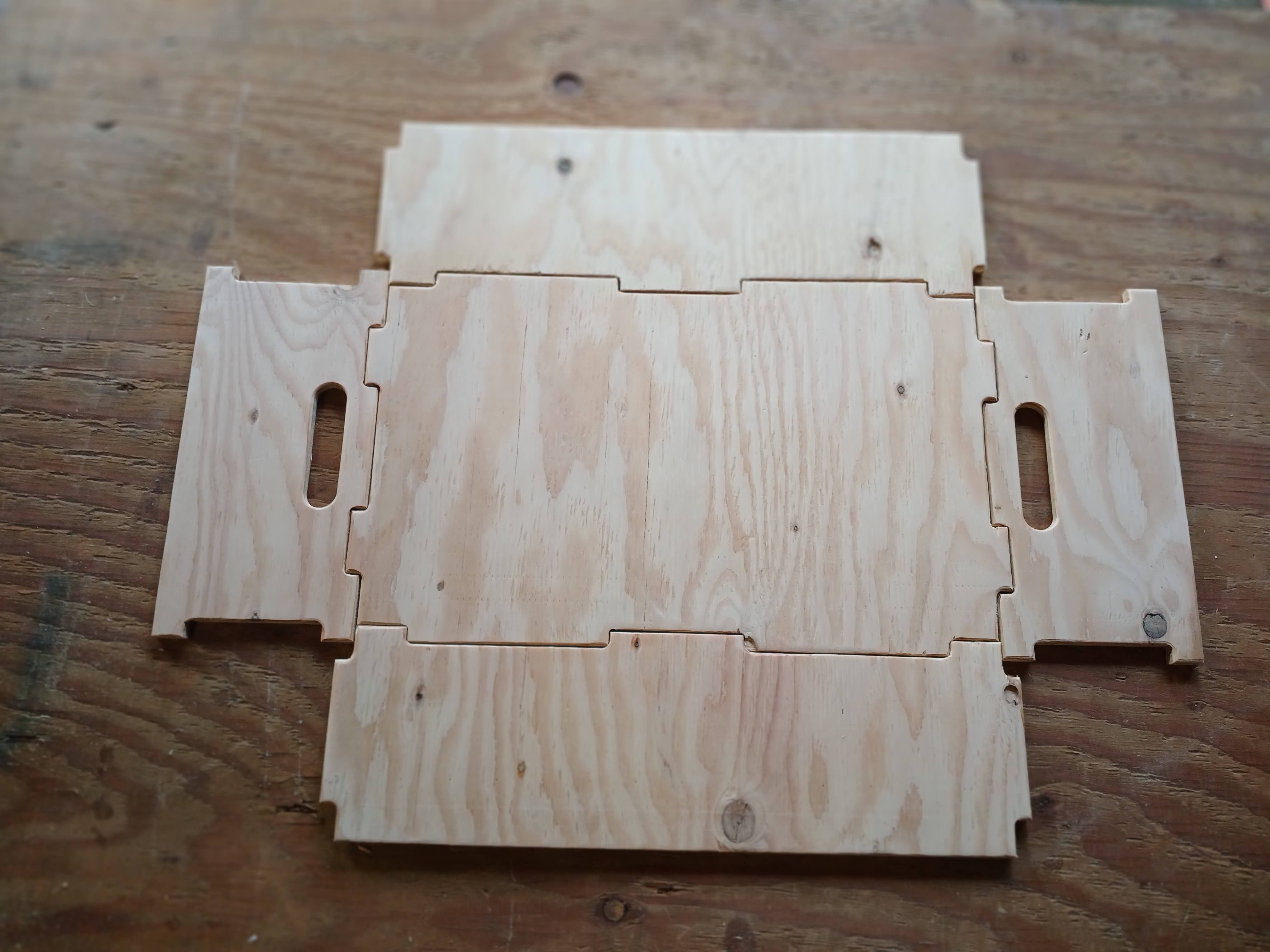
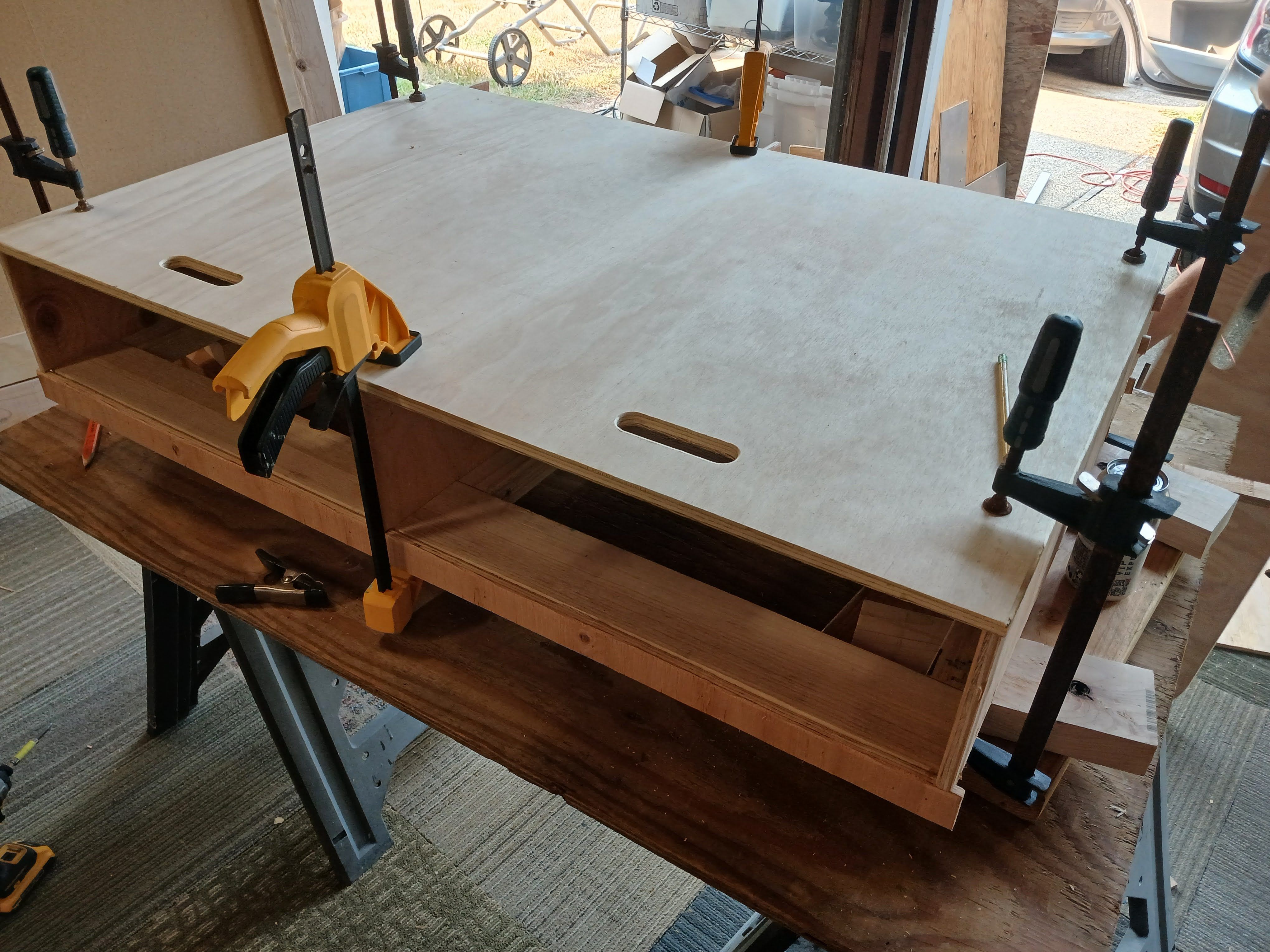
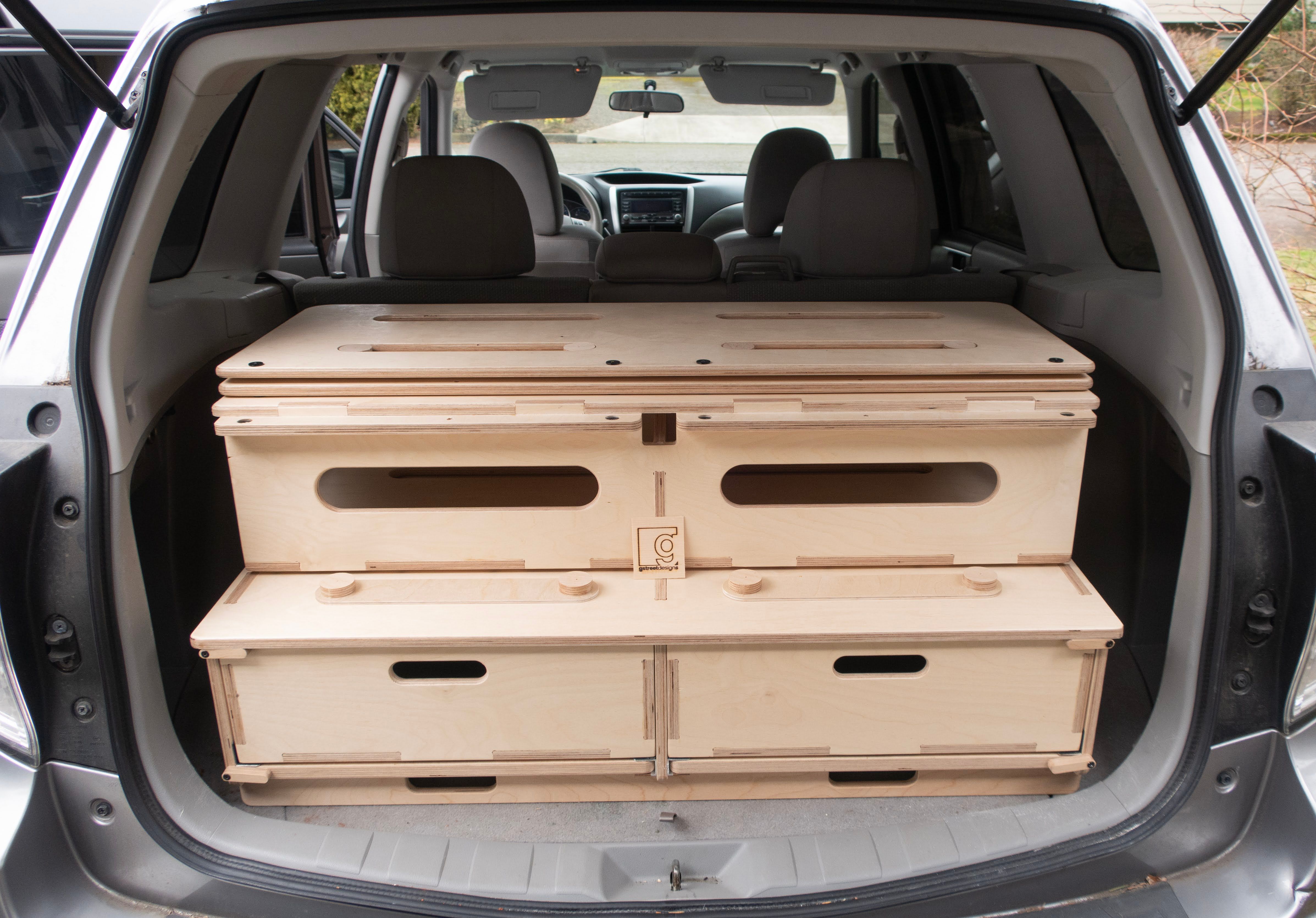
One afternoon (and one beer too many) I ordered a better CNC. While waiting for it I redesigned Camper 2.0—cleaner finger joints, elegant curves, high-quality wood, perfect stacking, easy assembly. Real engineering this time. It took a month.
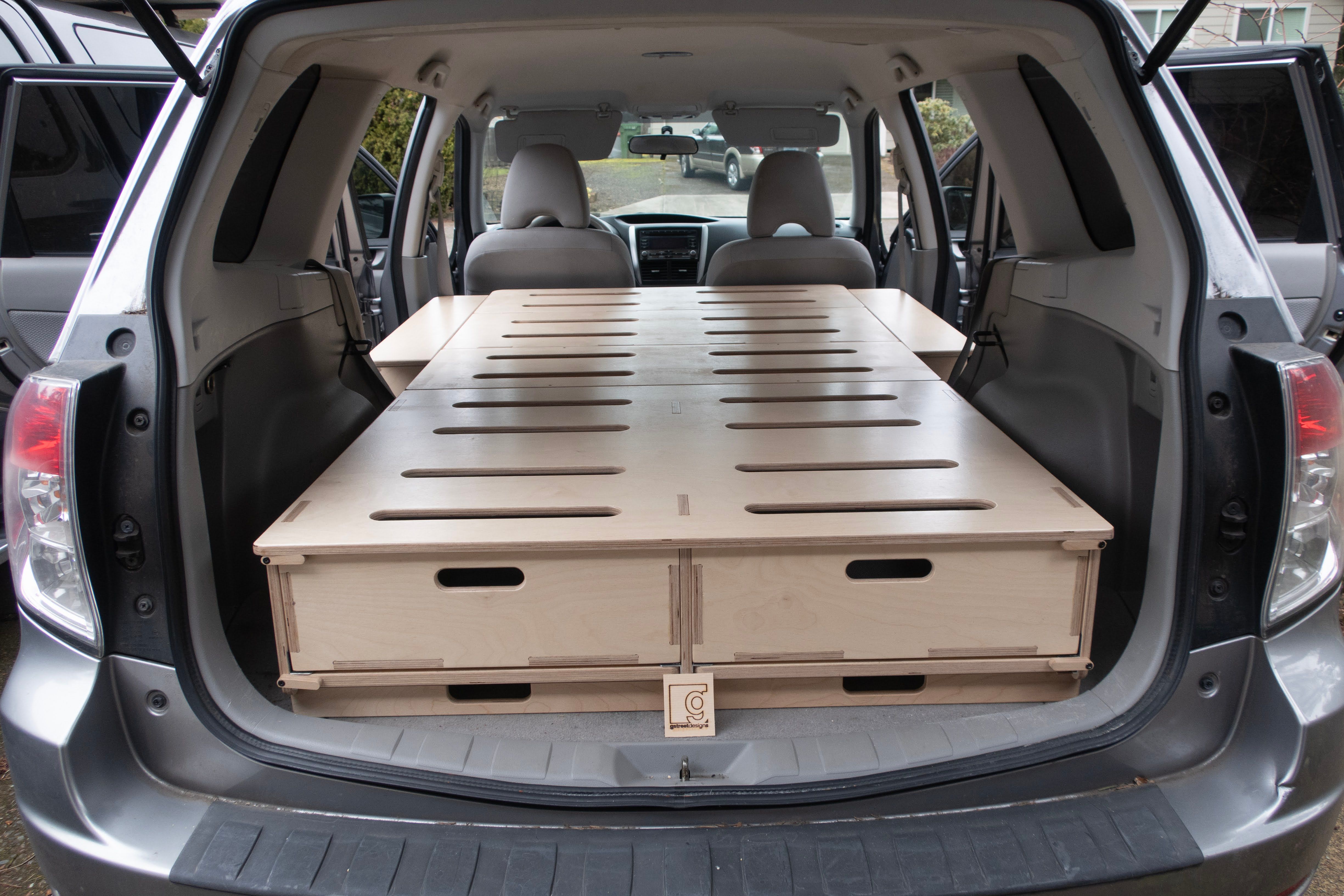
Then speakers for my dad. A folding wall table. A matching stool. Extra benches for the camping system. I opened a Shopify store (Shopify kind of sucks). Then an Etsy shop (Etsy kind of sucks). Starting a business is a ton of work. Designing 3D objects in CAD that need to cut cleanly in 2.5D? That’s real work.
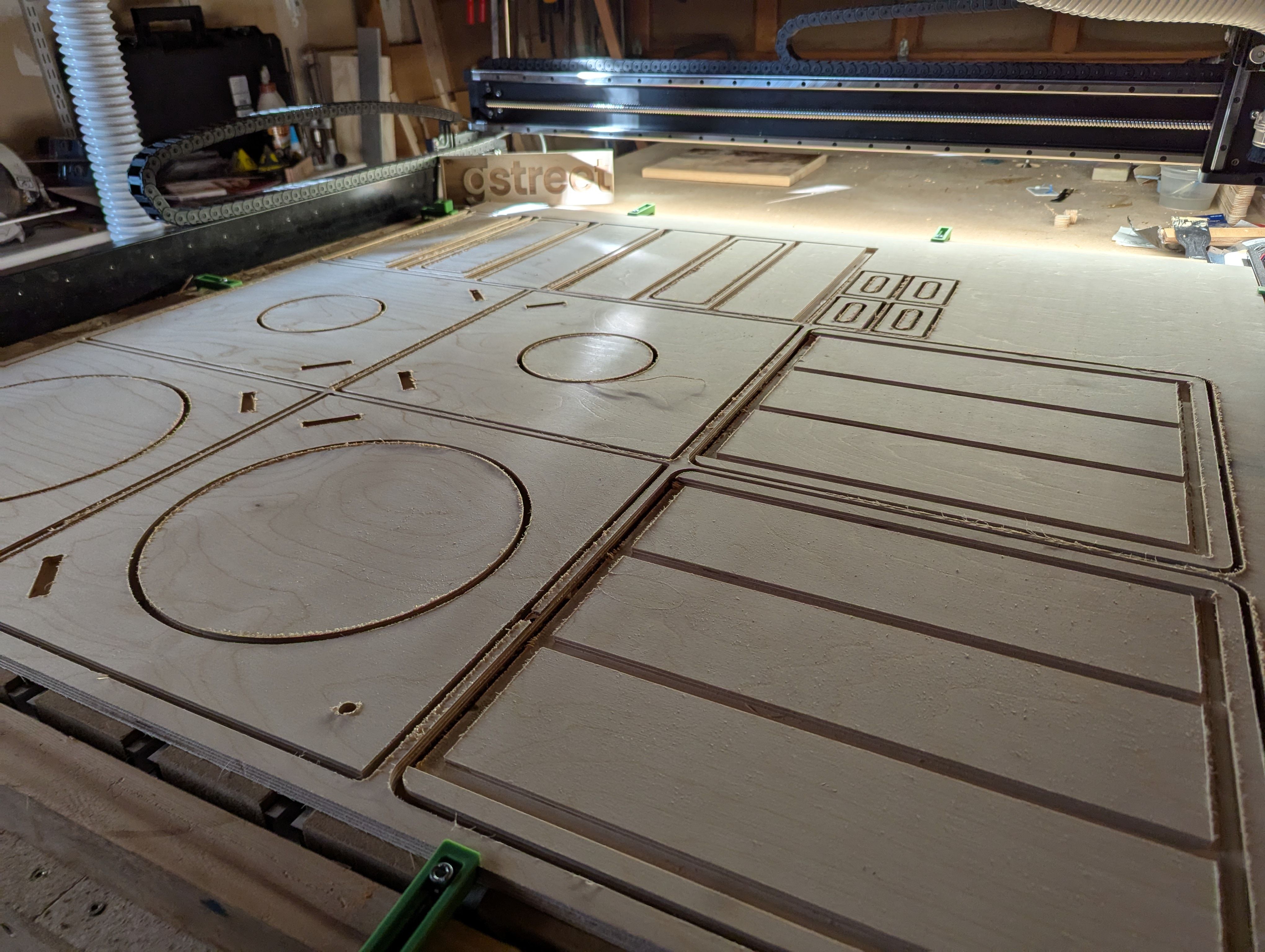
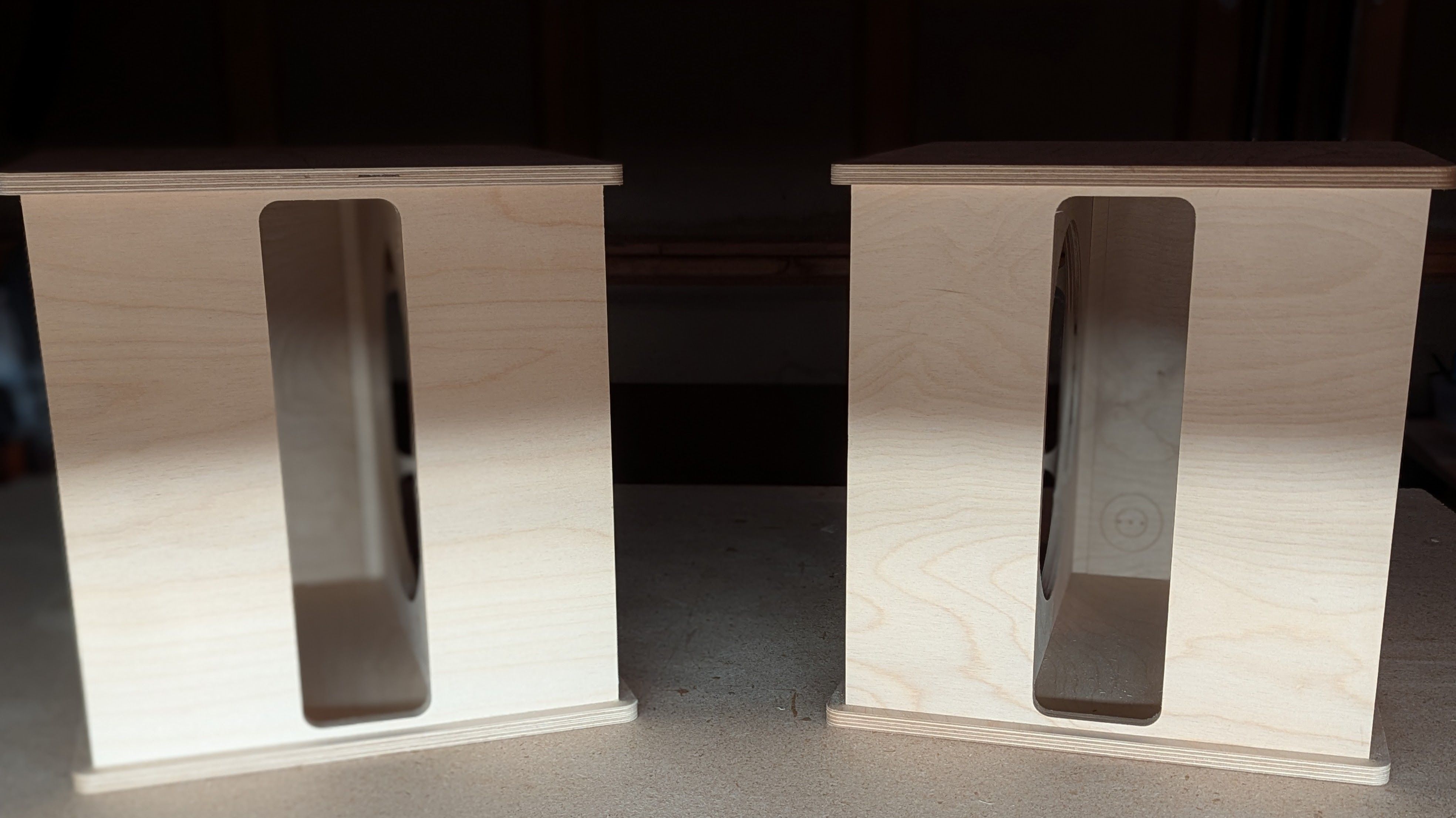
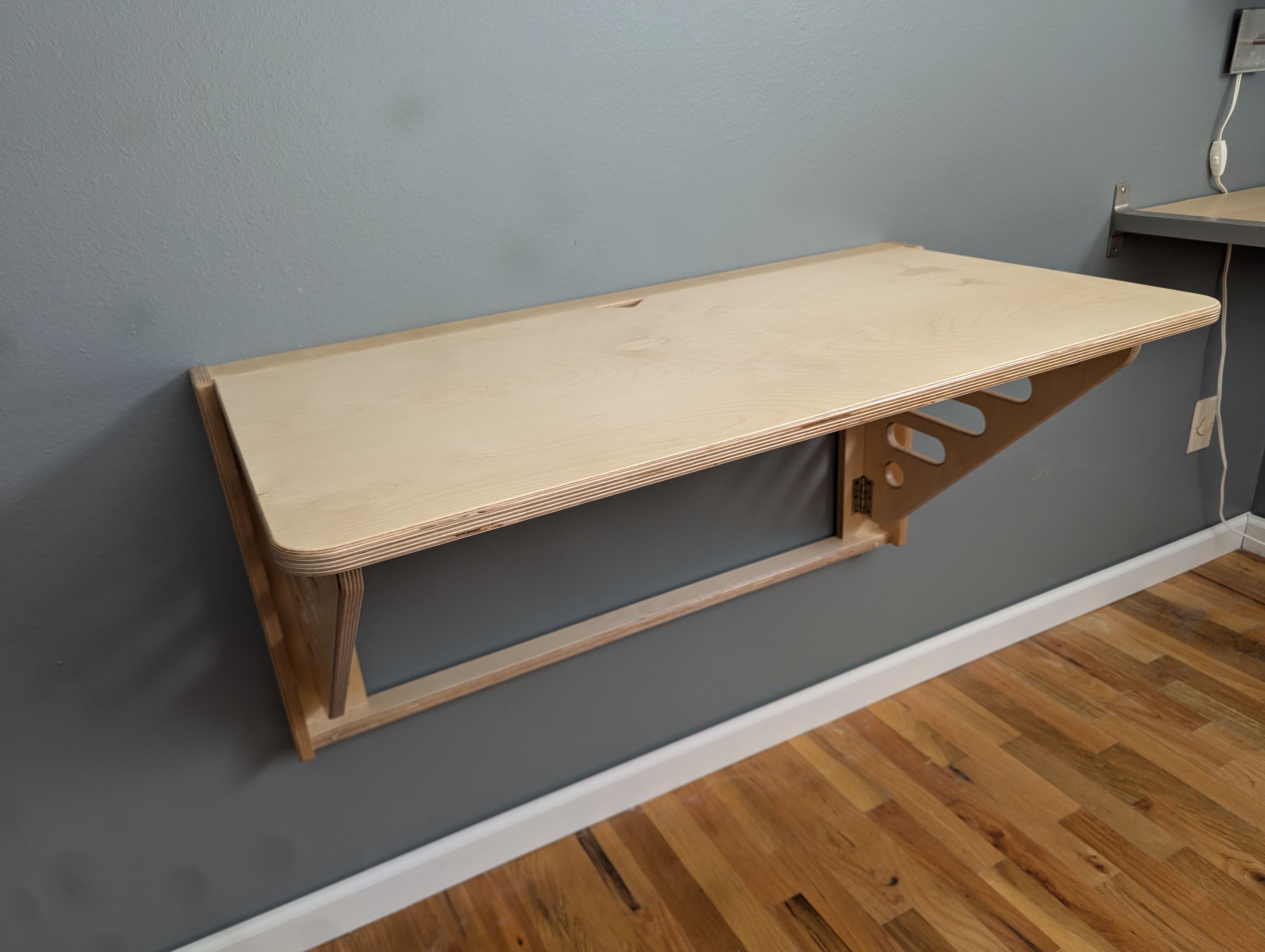
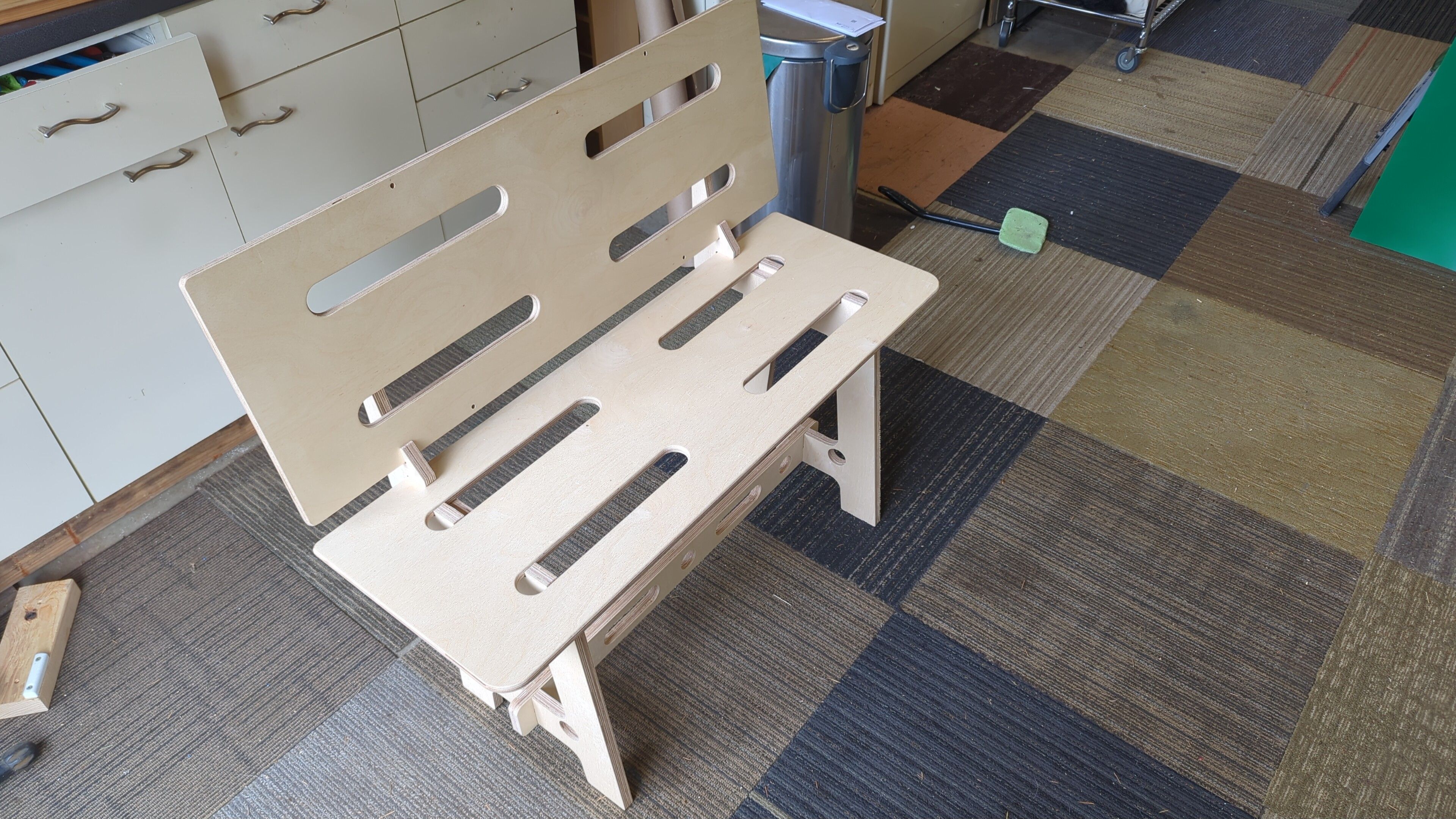
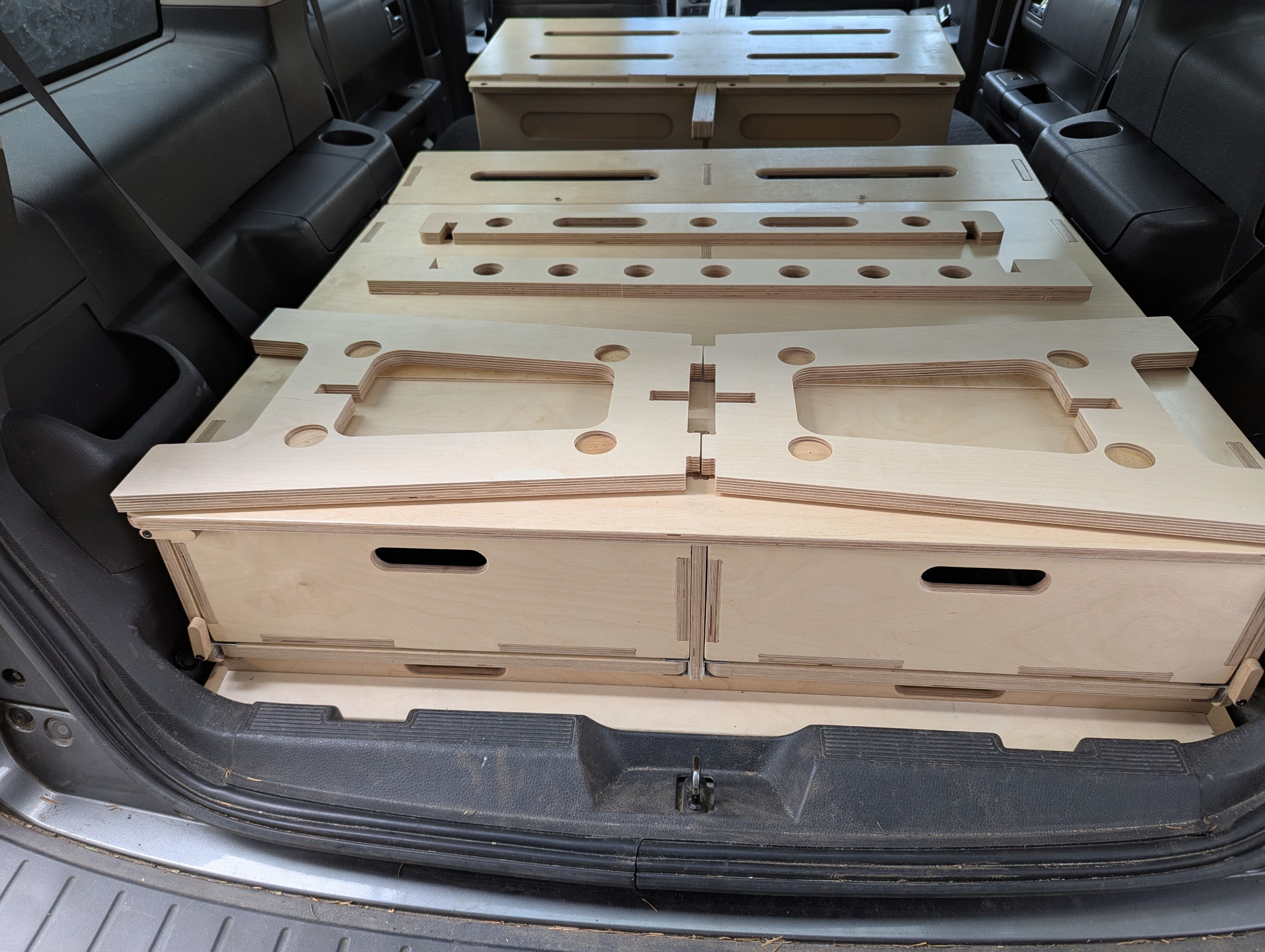
I knew there had to be a better way. In May 2025 I finished a programming gig and had some breathing room. Vibe-coding was all the rage, so I tried it for a week, then threw it all away and rolled up my sleeves. Three months of hand-coding later I had a solid box designer on steroids. Three more months and it was a real design tool. Six months after that I hated most of it, rewrote the bulk, and today GCrafter is the tool I reach for first on every project. Is it perfect? Hell no. But I can now design in hours what used to take days. And the fear that the parts won’t fit together? Gone.
What I learned along the way is simple: great ideas shouldn’t be roadblocked by bad tools. Making stuff should be fast, fun, and intuitive. That’s why I built this—so you can turn your next “what if” into “look what I built” in hours, not days.
Happy Making,
Andy